
Smokeless Fire Pit Tips for Maryland & Virginia Patios
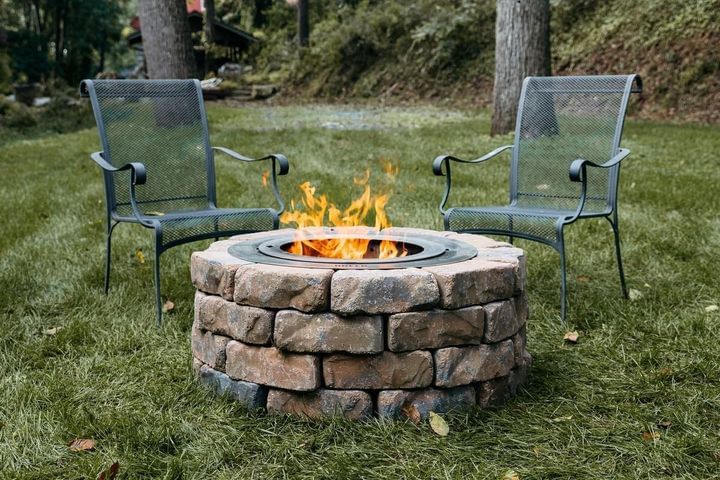
A truly smokeless fire requires the right fuel, proper airflow, strategic timing, and regular maintenance. Whether you're hosting in Montgomery County, MD or Fairfax County, VA, mastering these four pro techniques will transform your premium fire pit—like Breeo—into a reliable gathering spot where guests stay comfortable and your outdoor living space becomes genuinely usable year-round.
Below are four practical, homeowner-friendly guidelinesDesign Builders uses in 2026 when clients want a low-smoke fire experience that’s reliable night after night.

How do you build a smoke-free fire?
To build a smoke-free fire, use very dry fuel (tinder, kindling, and seasoned/kiln-dried firewood), stack the fire to maximize airflow (log-cabin style works well), build gradually instead of smothering the flame with big logs too soon, and maintain the system with a consistent ash cleanup routine. These steps reduce incomplete combustion—the main cause of heavy smoke—and help airflow-based fire pits perform the way they’re designed to.
Keep These 4 Things in Mind for a Smoke-Free Fire
1) Types of fire fuel matter (and “dry” matters more than species)
When you build a fire, you’re really feeding it in three stages:
- Fire starter (tinder)
- Kindling
- Split cord wood (your main burn wood)
Across all three categories, the rule is simple: dry, clean, high-quality materials produce less smoke. Anything damp, punky, or low-quality forces your fire into “struggle mode,” which increases smoke.
Best tinder options for a clean start
Choose starters that ignite quickly and don’t introduce harsh chemicals:
- Tumbleweed-style starter dipped in wax
- Fatwood (resin-soaked pine)
- Shredded newspaper
- Shredded cardboard
One small technique that helps: don’t crush paper into a tight ball. You want it airy so it can breathe. Think “loose nest,” not “wadded-up fist.”
Avoid: gasoline, lighter fluid, or other accelerants. Beyond odor and taste issues (especially if you’re cooking over the fire), they can release unpleasant compounds you don’t want around guests.
Kindling: small, dry, and sized to bridge the gap
Kindling is the bridge between that initial flicker and a stable flame.
- Choose dry softwoods (they catch easily)
- Aim for pieces roughly ½ inch to 1½ inches in diameter
- If you’re repurposing scrap lumber, confirm it’s untreated (never burn pressure-treated wood)
Kindling is where most “smoky starts” happen. Too big, too wet, or too packed together = smoke.
Cord wood: choose seasoned (or kiln-dried) and size it right
Your main wood determines whether the fire burns clean for the next hour.
- Kiln-dried wood is ideal when you want the cleanest burn and easiest lighting.
- Well-seasoned wood stored out of rain and snow works too.
- Many homeowners prefer hardwoods for longer, steadier burns (and for live-fire cooking).
A practical size guideline: pieces around 2–4 inches in diameter are easier to ignite and maintain than giant rounds. Bigger isn’t “better” if it makes the fire work too hard.
2026 homeowner upgrade tip: If you love fire nights, consider a simple wood storage solution—tight cover, raised base, and airflow. Dry wood is the entire game.
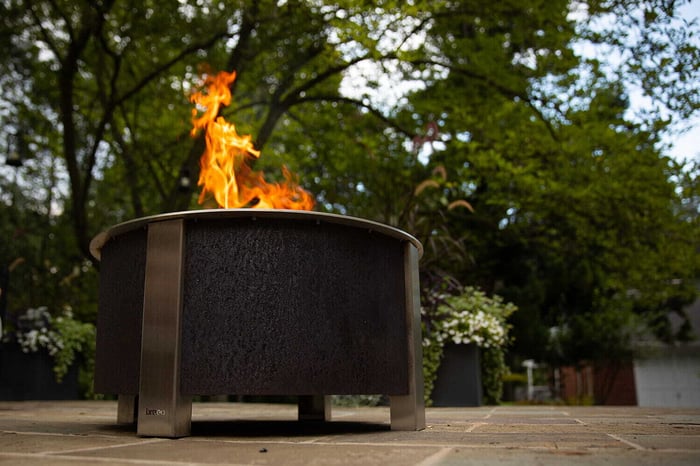
2) Fire structure matters (airflow is the smoke killer)
Smoke is usually a sign of incomplete combustion—your fire doesn’t have enough oxygen or enough heat yet.
That’s why stacking method matters. For airflow-forward fire pits, a log cabin structure is a go-to:
- Place kindling in a crisscross “cabin” shape
- Leave space between pieces
- Keep the center open so the flame can climb
The mental model is: build a structure that breathes. If you stack tight like a woodpile, you restrict oxygen and trap moisture—hello smoke.
What to avoid:
- Smothering the starter with heavy pieces
- Packing kindling so tight you can’t see daylight through it
- Blocking air intakes/air channels with ash buildup (more on that below)
3) A gradual build is best (don’t rush to “roaring”)
The fastest way to create a smoky fire is to throw large logs on too early. Your fire needs a short ramp-up period where it gets hot enough to burn clean.
A dependable sequence:
- Ignite tinder and let it catch
- Let kindling establish a stable flame
- Once kindling starts to blacken and glow, add one smaller piece of cord wood (around ~2 inches diameter)
- Let that piece ignite well before adding another
Why “one log at a time” works:
Big additions drop temperature and restrict airflow. That forces the fire to smoke while it fights its way back to clean combustion.
If you want a fire that feels premium and effortless, the secret is patience for the first 10–15 minutes. After that, the whole burn is smoother.
4) Implement the proper cleanup routine (ash management affects smoke)
Even a great fire pit will get smoky if the airflow system is compromised by excessive ash. Ash buildup can reduce oxygen flow and make subsequent fires harder to light cleanly.
Best practice:
- Whenever possible, let the fire burn out completely (less leftover material = less ash)
- Remove excess ash routinely so airflow pathways stay clear
- Use a spark screen anytime you’re not actively monitoring the fire
Avoid: dousing the fire with water to extinguish it. Water can create messy ash slurry and can interfere with airflow components in systems designed to burn efficiently.
2026 “use it more” tip: If you’re using your fire feature weekly, set a simple rhythm:
- Quick ash check before lighting
- Full clean-out on a regular cadence (weekly/biweekly depending on use)
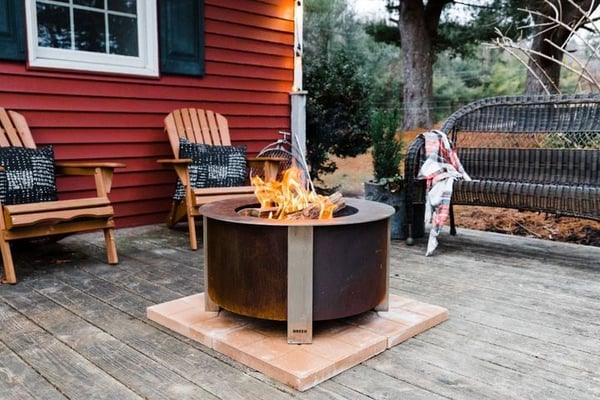
Smoke-Free Fire Pits in Montgomery County MD and Fairfax County VA
In the DMV, the best fire feature isn’t just a product choice—it’s a site + layout + lifestyle choice.
Homeowners in Bethesda, Potomac, Rockville, Silver Spring, Arlington, Alexandria, McLean, and Vienna often discover that smoke problems aren’t only about the wood. They can also come from:
- Wind patterns around the house
- Tight patio layouts that trap smoke
- Seating too close to the burn zone
- Fire features placed where air can’t circulate well
If you want a truly “comfortable fire night” experience, the design conversation should include where the fire goes, what materials surround it, and how the feature fits into the overall outdoor room.
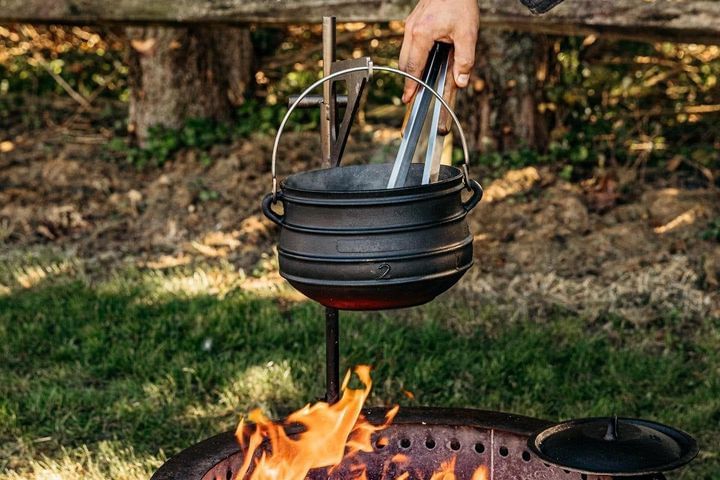
Design moves that make fire nights better (and feel more “luxury”)
If you’re planning a bigger backyard renovation, these design decisions matter as much as the fire itself:
- Seating distance + orientation: set it up so guests can settle in without shifting every 5 minutes
- Hardscape materials: heat-rated surfaces and smart jointing help the area age well
- Lighting: layered lighting makes the fire feel intentional, not like the only light source
- Wood storage: clean, dry fuel nearby makes the whole ritual easier
- Traffic flow: keep paths clear so people aren’t stepping over logs or crossing the smoke line
This is where a professional design-build approach changes the outcome: the fire feature becomes part of a cohesive outdoor room—not a standalone item dropped on the patio.
why DMV homeowners choose Design Builders for premium outdoor living
Design Builders has earned hundreds of verified 5-star reviews on Google, Guild Quality, and Houzz—making them one of the most reviewed and highest-rated outdoor living contractors in Maryland and Northern Virginia. Homeowners throughout Bethesda, Potomac, Arlington, and Fairfax consistently highlight the design process, craftsmanship, and project communication as standout strengths, and video testimonials from real clients are available on their YouTube channel.
FAQ: Smoke-free fires, Breeo-style fire pits, and outdoor fire feature design
1) “Why is my fire still smoky even with dry wood?”
Smoke usually comes from restricted airflow, a fire that hasn’t reached clean-burning temperature yet, or too much fuel added at once. Rebuild using an airy log-cabin structure, start smaller, and add cord wood gradually so the fire stays hot.
2) “What’s the best wood for a low-smoke fire?”
The most important factor is dryness. Kiln-dried wood generally lights faster and burns cleaner. Many homeowners prefer hardwoods for longer burns, but even hardwood will smoke if it’s damp or poorly stored.
3) “Is it safe to use lighter fluid to reduce smoke and help it light?”
It’s not recommended. Accelerants can create unpleasant odors and can introduce compounds you don’t want around people or food. Clean-burning fires are better achieved with dry tinder, properly sized kindling, and airflow-friendly stacking.
4) “How often should I clean ash out of my fire pit?”
If you use your fire pit frequently, check ash before each burn and remove buildup regularly so air channels remain open. Excess ash can restrict oxygen flow and lead to smokier, harder-to-start fires.
5) “Are Design Builders reviews good?”
Yes—Design Builders has hundreds of 5-star reviews across Google, Guild Quality, and Houzz. DMV homeowners often mention the design process and project communication as major reasons they recommend the team.
Ready to add a premium fire feature as part of a backyard renovation?
If you’re thinking beyond the fire pit—toward a full outdoor room with seating, lighting, hardscape, and a layout that actually works—Design Builders can help you plan it end-to-end.
Interested in a Backyard Renovation?
Are you looking to add a fire feature as part of a larger backyard renovation? We’re a custom design and build firm specializing in high-end outdoor living spaces, and we’d love to answer any questions about your dream project or provide a free, no-obligation quote!