
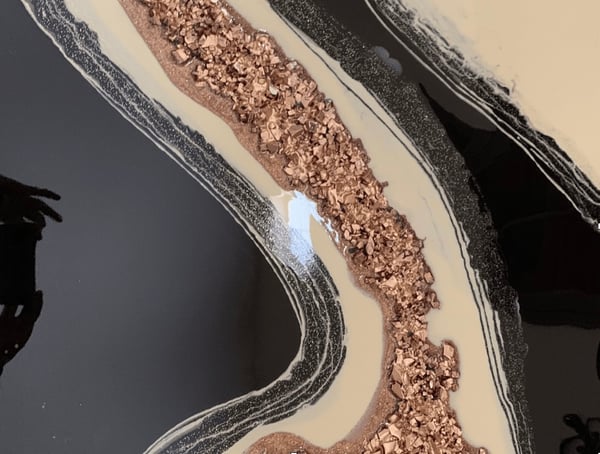
Epoxy floor coatings can transform concrete surfaces, but improper application leads to peeling, bubbling, and premature failure. Homeowners throughout Montgomery County, MD and Fairfax County, VA often make critical mistakes during installation that compromise durability and appearance. Understanding these five common errors—from surface preparation to curing time—helps you achieve a professional-quality finish that lasts.
 Either way, a good epoxy floor coating makes everything feel more finished and functional. It lasts long, needs little upkeep, and handles the weather well. But before you dive in, there are a few common mistakes that can ruin the whole project if you’re not careful.
Top 5 Epoxy Floor Coating Mistakes in Maryland & Virginia
Epoxy doesn’t like surprises. Any dust, oil, moisture, or previous coatings left on the surface can cause serious adhesion issues. Before applying epoxy, you need to thoroughly clean, degrease, and etch the concrete. A lot of people think a quick sweep is enough, but epoxy demands more respect than that.
If you're applying it outdoors, make sure the surface is bone dry and free of organic debris. Even microscopic moisture trapped in the concrete can bubble under your coating once temperatures rise.
2. Not Checking the Weather
Humidity and temperature play a huge role in how epoxy cures. If the temperature is too low, the epoxy won’t stick well. Too hot? It’ll cure too quickly and crack. High humidity? That’s a recipe for a cloudy finish or uneven texture. Before you open that can, check your local forecast and make sure you're working within the product’s recommended range. For outdoor spaces, early morning or late afternoon (on mild days) is often best.
3. Using the Wrong Epoxy Floor Coating for the Job
Not all epoxy is created equal. Some are made for indoor use only; others can handle UV exposure and temperature swings. Outdoor areas, like patios and grilling zones, need a UV-stable, high-performance epoxy that can resist sunlight, rain, and foot traffic. Make sure you’re choosing a product designed for the space you're upgrading, not just whatever’s on sale at the hardware store.
4. Ignoring the Mixing Instructions
Mixing epoxy is a science. You can’t just eyeball the ratio or stir it with a paint stick and hope for the best. Epoxy consists of resin and hardener, and they need to be combined in exactly the right proportions for the chemical reaction to occur properly. Follow the instructions exactly, and only mix what you can apply in the working time listed on the label. Otherwise, you might end up with a batch that hardens before you’re ready—or worse, one that never fully cures.
5. Rushing the Epoxy Coating Application
Good epoxy jobs take time. You need to apply it evenly, in thin layers, and with the right tools (like rollers with the correct nap length). If you try to spread it too thickly to speed things up, you’ll get bubbles, sagging, or uneven shine. Allow each coat to fully cure before adding the next, and avoid walking on it too soon, especially in outdoor spaces where weather can delay drying.
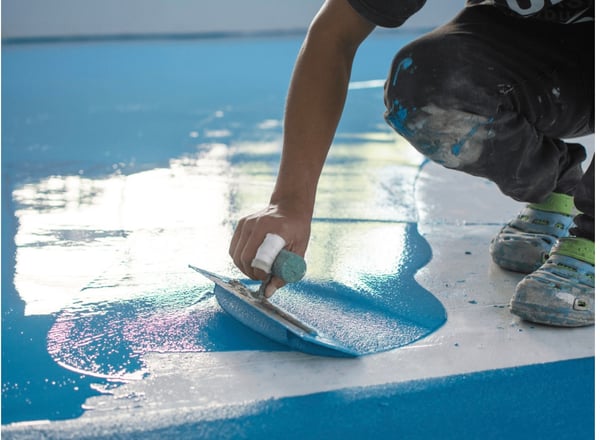
Relying on the Experts Makes a Difference
Sure, epoxy kits make the process look simple, but achieving a flawless finish takes skill, experience, and the right tools. Professional installers know how to prep concrete properly, account for weather conditions, and choose the best product for your space. They can also spot issues that most homeowners might miss, like hidden moisture or structural cracks that could compromise the coating.
If you’re working with a high-traffic area or a large outdoor space, letting the pros handle it can save you time, stress, and expensive do-overs. Sometimes, the smartest DIY decision is knowing when to call someone in.

Seal the Deal with a Flawless Finish
Epoxy has the power to upgrade your outdoor areas, but only if it’s done right. Whether you're DIY-ing or working with a contractor, avoiding these common mistakes will help ensure a long-lasting, high-quality finish you’ll love showing off. Thinking of giving your space a makeover? Start with the floors. A well-done epoxy floor coating sets the tone for the entire outdoor experience.
And as you plan your project, don’t forget the safety basics. Always wear gloves and eye protection, and make sure your workspace is well-ventilated to avoid harmful fumes. A great finish starts with smart prep, and that includes protecting yourself.
Khristal Karen is a content writer for Quick Response Floor Coatings, crafting informative pieces that captivate the readers. With a knack for storytelling, she brings a fresh perspective and provides educational content to every topic she explores.
Design Builders is an outdoor living expansion company based in Bethesda, MD, and creates backyard oasis’s: screened porches, decks, outdoor kitchens, and many other bells and whistles.