
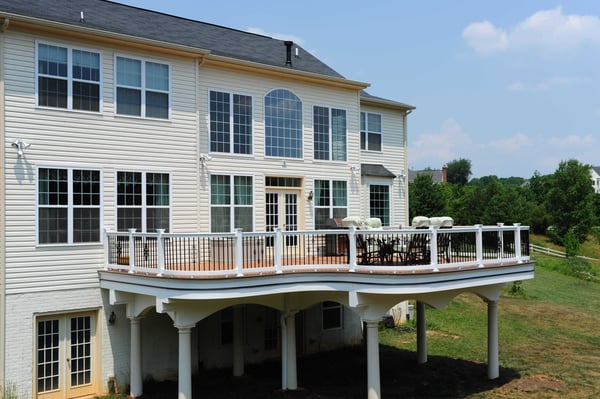
If you live in Loudoun County, you already know the deck decision isn’t just “composite vs. wood.” It’s HOA rules, tight setback and drainage requirements, and a permitting process that can feel like a moving target—especially in spring and early summer when everyone is trying to build at once. The fastest way to derail a deck project in Ashburn, Leesburg, Brambleton, or South Riding is hiring a contractor who promises a “two-week start” but can’t clearly explain zoning approval, plan submission, and inspections in Loudoun. Design Builders tells you what you actually need in 2026.

What permits are needed to build a deck in Loudoun County?
Most deck projects in Loudoun County require (1) zoning approval (to confirm the deck’s location and size meets setbacks, easements, and lot coverage rules) and (2) a building permit (to confirm the structure meets the current residential building code). If the deck includes electrical (lighting, outlets) or you’re converting to a covered porch, you may also need trade permits and additional inspections. Requirements can vary by property type (HOA community, incorporated town limits, well/septic), so the safest approach is working with a contractor who verifies your address-specific rules before finalizing design.
Why Loudoun County Deck Permits Matter More Than Homeowners Expect
Permits aren’t just bureaucracy. In Loudoun, the permitting workflow protects you from the most common deck problems we see when homeowners inherit (or buy) unpermitted work:
- Incorrect setbacks that trigger stop-work orders or redesigns
- Footing and framing issues that fail inspection (or worse—feel bouncy and unsafe)
- Ledger attachment and flashing mistakes that cause water intrusion into the house
- Stair/guard errors that become safety hazards and resale headaches
- HOA violations that force costly changes after materials are already installed
A permitted deck gives you documented proof that your project met code and passed inspection—something buyers, appraisers, and insurers care about.
Loudoun’s “Hidden Third Approval”: HOA and Architectural Review
Before we even talk about county permits, many Loudoun homeowners must clear one additional hurdle:
HOA / Condo association architectural approval
In planned communities (common in Ashburn, Brambleton, Broadlands, South Riding, Stone Ridge, and parts of Leesburg), your HOA may require:
- an application package (site plan, materials/colors, rail style)
- a review timeline (often measured in weeks, not days)
- restrictions on deck size, height, privacy screens, stair placement, and even lighting
Important: HOA approval is separate from Loudoun County zoning/building permits. You often need both, and the order matters. A contractor who doesn’t proactively manage HOA requirements can burn weeks on preventable delays.
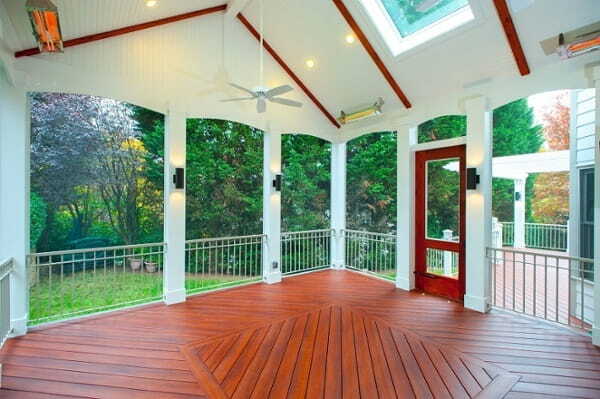
The 2026 Permit Stack: What You Typically Need
1) Contractor eligibility to work in Loudoun County
Before a contractor pulls anything, they should be able to show (and you should verify) that they can legally operate in the county and state.
What to look for:
- Ability to operate locally (county registration or business licensing requirements may apply)
- A valid Virginia contractor license level appropriate for the project scope
- Proof of insurance (general liability; workers’ comp where applicable)
Why it matters: If a contractor can’t pull permits under their name (or tries to push you to pull them), that’s usually a sign you’re taking on the risk.
Maryland vs. Virginia note (since many DMV homeowners compare)
You’ll see different terminology across the DMV. In Virginia localities like Loudoun, the typical workflow is: zoning confirmation → building permit → inspections. The “what” is consistent: the project must comply with zoning and the residential code. The “how” varies by jurisdiction and by whether you’re inside town limits or subject to an HOA.
2) Zoning approval (location + size + setbacks)
Zoning review answers one core question:
“Are you allowed to build this deck in this location at this size?”
Zoning typically evaluates:
- Setbacks from property lines
- Easements (utilities, drainage, access)
- Lot coverage / allowable impervious coverage rules
- Height and placement constraints for elevated structures
- Special restrictions if you’re near stormwater features or drainage paths
The two most common zoning surprises in Loudoun
- Easements you didn’t realize you had (especially drainage or utility easements that run through the backyard)
- Deck footprint conflicts when homeowners want a larger entertaining platform and stairs in a tight rear yard
A strong contractor checks these constraints early so the design is buildable before you fall in love with a layout.
3) Building permit (structure + code compliance)
The building permit is where the county reviews your deck for structural and safety compliance with the current residential building code (often based on the International Residential Code, with local amendments).
This review is focused on:
- Footing size/depth and load path
- Beam/joist sizing and spans
- Ledger attachment OR confirmation that the deck is freestanding
- Proper water management (especially ledger flashing details)
- Guardrail and stair safety
- Connection hardware rated for exterior exposure and corrosion resistance
- Any roof loads if you’re building a covered porch or screened porch
“Standard deck” vs. “custom deck” reality
Some decks are straightforward. Others become “custom” fast:
- tall decks with long stairs
- multi-level designs
- hot tub loads
- steel framing
- roofed structures (porch/screen porch)
- complex sites (slopes, drainage challenges)
The more complex the build, the more important it is that your plan set is complete and professionally prepared.
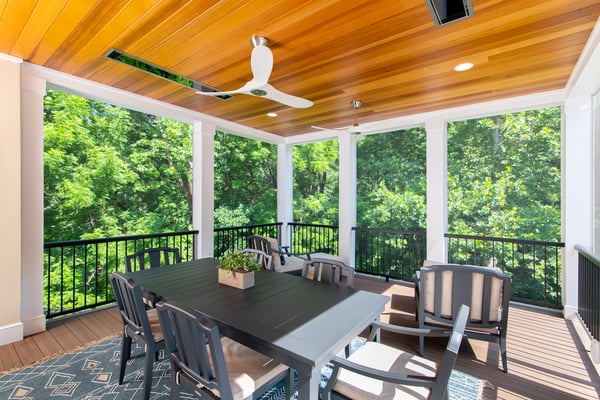
4) Trade permits (electrical and more)
Your deck permit may not be the only permit.
If your deck includes:
- outlets
- low-voltage or line-voltage lighting
- ceiling fans (if roofed)
- infrared heaters (covered porch/screen porch)
…you may need electrical permits and inspections. A “deck” can become an “outdoor room,” and outdoor rooms usually include electrical.
When well/septic, incorporated towns, or special districts change the workflow
Some Loudoun properties fall into categories that change what’s required:
- Private well and septic: plan documentation requirements may differ
- Inside incorporated towns: your permit authority may not be the county (process and standards can change)
- Unique overlays or site constraints: drainage or environmental rules can affect design
You don’t need to memorize this. You just need a builder who verifies your property details before the design is finalized.
2026 Materials and Structural Choices That Can Affect Your Plan Review
A decade ago, most decks were framed in lumber and finished in wood. In 2026, homeowners want longer life, cleaner aesthetics, and less maintenance—so plan reviewers more often see modern assemblies.
Composite vs. pressure-treated decking
- Composite decking (Trex, TimberTech/AZEK, etc.) often has manufacturer requirements for joist spacing, ventilation, and fastening
- Pressure-treated wood is still common structurally, but you’ll want proper corrosion-rated connectors and fasteners because modern treated lumber can be more corrosive to standard hardware
Steel framing
Steel framing can create:
- straighter lines
- longer spans with less bounce
- cleaner modern detailing
But it also requires proper detailing for connections and corrosion protection—especially in outdoor exposure.
Helical piers (when site conditions are challenging)
For sloped yards, limited access, or soils that raise settlement concerns, helical piers can be an engineered foundation option. They’re not necessary for every deck—but when they’re appropriate, they can reduce disruption and provide predictable support.
Bottom line: the “materials package” isn’t just a design decision; it can shape what details belong on your plan set.
.jpg?width=600&height=400&name=designer_deck_montgomery_county_(2).jpg)
The 2026 Loudoun County Deck Permit Checklist
Use this before you sign a contract.
A) HOA / Community Review (if applicable)
- ✅ HOA architectural application submitted (and approved)
- ✅ Approved materials/colors/rail style documented
- ✅ Stairs and privacy screens comply with HOA rules
- ✅ HOA timeline accounted for in project schedule
B) Zoning Review Readiness
- ✅ Setbacks verified for your lot
- ✅ Easements identified and respected in the layout
- ✅ Lot coverage checked (especially if you’re adding patio/hardscape too)
- ✅ Drainage considerations accounted for (downspouts, slope, swales)
C) Building Permit Plan Set Completeness
- ✅ Foundation/footing plan (sizes, locations, depth)
- ✅ Framing plan (joists, beams, posts, connections)
- ✅ Ledger detail OR freestanding design detail
- ✅ Guardrail and stair details (heights, spacing, graspable handrail where required)
- ✅ Hardware specified (exterior-rated, corrosion resistant)
- ✅ Product specs when needed (composite decking, steel framing components)
D) Electrical and Comfort Upgrades
- ✅ Outlets/lighting included on drawings where applicable
- ✅ If roofed: fan-rated boxes, switching layout, and load planning
- ✅ If adding infrared heaters: circuit planning + control strategy + placement coordinated early
E) Inspection Plan
- ✅ Required inspection milestones identified (commonly footing → framing → final)
- ✅ Responsibility is clear: who schedules, who meets inspector, how corrections are handled
“Fast Starts” and Permit Myths (What Homeowners Hear vs. What’s Real)
Myth: “You don’t need a permit if it’s low to the ground.”
Reality: Many localities still require permits for decks because they’re structural and must meet safety standards.
Myth: “We’ll just build it and see if anyone notices.”
Reality: Unpermitted decks create resale, insurance, and liability risk—plus stop-work orders and costly rebuilds.
Myth: “Pulling permits is your job as the homeowner.”
Reality: Homeowners can be involved, but reputable deck builders typically manage permitting as part of the project, because they control the plan set, construction details, and inspection schedule.
What happens if you skip the permit in Loudoun County?
If you’re caught mid-build, you can face:
- Stop Work Order and immediate shutdown
- Fines and penalties
- Retroactive permitting (often requires revised drawings)
- Inspections with extra scrutiny—including requests to expose hidden work
- Repairs or demolition if the structure doesn’t meet code
- Resale/insurance problems later (even if you “get away with it” now)
A permit isn’t just paperwork—it’s proof your deck is safe and built correctly.
Next Steps: How Design Builders Handles Loudoun Permits (So You Don’t Have To)
When Design Builders builds decks and porches in Northern Virginia, permits aren’t treated as a DIY homework assignment. They’re baked into the design-build workflow:
- HOA + zoning verification early (so the design is buildable)
- Code-informed design and permit-ready drawings
- Submission and coordination handled by the team
- Inspection scheduling and on-site coordination through the build
If your contractor doesn’t thoroughly and accurately know this process, that’s a big red flag.

VI. Be Aware of Recent Permitting Changes
Effective as of January 19, 2016, Loudoun County requires a notarized affidavit of owner form in order to issue permits. Prior to January 19, 2016, this form did not need to be approved by a notary. To avoid timely and/or costly delays, make sure your contractor is aware of this recent policy change.
Loudoun County is one of the fastest-growing counties in America. It offers country living with access to the city for work, which means many project within this county do involve larger homes and larger scopes. It’s imperative, therefore, that your contractor not only knows the Loudoun County permitting process but follows it to the letter.
Design Builders has earned hundreds of verified 5-star reviews on Google, Guild Quality, and Houzz—making them one of the most reviewed and highest-rated outdoor living contractors in Maryland and Northern Virginia. Homeowners throughout the DMV consistently mention the design process, craftsmanship, and project communication as standout strengths, with video testimonials available on their YouTube channel.
For more information about Loudoun County rules, regulations, and permitting issues and how they relate to a new deck build, please feel free to contact a representative of Design Builders, Inc.