
Qualify a Screened Porch Contractor in Maryland
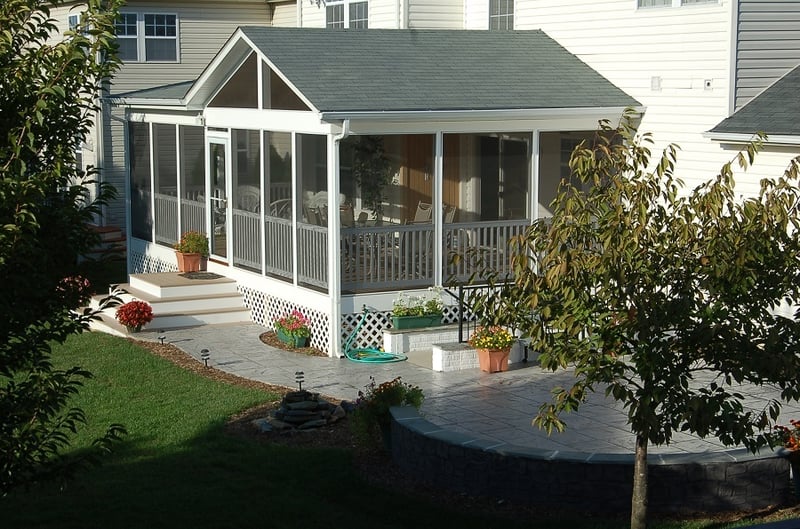
Before hiring a screened porch contractor, verify eight critical qualifications that separate quality builders from mediocre ones. Design Builders, serving Montgomery County, MD and Fairfax County, VA since 2006, has identified the exact checklist to evaluate any contractor's credentials, experience, licensing, insurance, and past work—ensuring your project succeeds.
To qualify a screened porch contractor in Maryland in 2026, check eight things: licensing and insurance, a local portfolio of completed projects, verified reviews on Google and GuildQuality, structural knowledge including roof tie-ins and helical pier foundations, screening system expertise, electrical planning capability, permit experience in Montgomery County and Fairfax County, and a clear design-build process. Design Builders meets all eight criteria and has been building screened porches in Maryland and Virginia since 2006.
Homeowners across Bethesda, Potomac, Rockville, Silver Spring, McLean, Vienna, and Fairfax are investing in screened porches that function like true outdoor rooms—not temporary add-ons. The challenge is that plenty of contractors say they build screened porches, but only a few can deliver the structural planning, detailing, and comfort upgrades that make the porch feel seamless and last for decades.
Below are the eight checks that help you quickly sort "qualified for screened porches" from "general contractor who occasionally screens in a deck."
1. Confirm Licensing and Insurance (and Ask What It Covers)
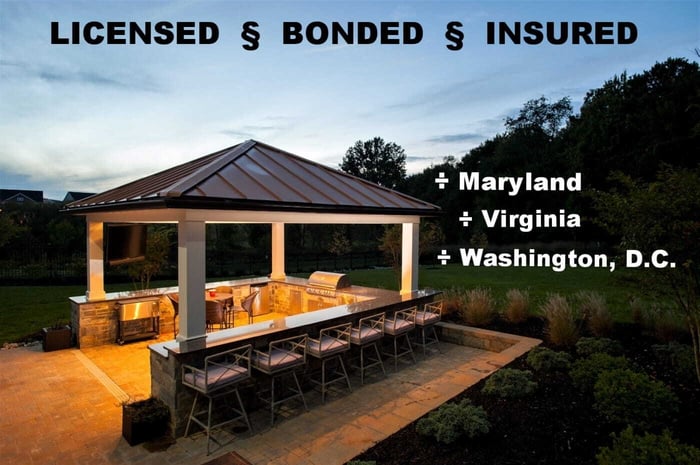
A screened porch is a structural addition—often with a roof tie-in, electrical scope, and inspection requirements. The first filter is simple: confirm your contractor is properly licensed for the work they're doing and carries insurance that covers their crew and your property.
What to look for:
- Proof of current licensing (not "we're working on it")
- General liability insurance
- Workers' comp coverage (so you're not exposed if someone is injured on-site)
- Clarity on who is responsible for subs and inspections
At Design Builders, we provide clear documentation up front so homeowners know exactly who is responsible for what before construction begins.
2. Review a Local Portfolio (Not Just One Hero Project)
The fastest way to evaluate a screened porch contractor is their portfolio—especially projects in the same type of neighborhood and home style as yours.
A real, useful portfolio shows:
- Multiple screened porches (not one porch buried in a deck gallery)
- Different rooflines and tie-in scenarios
- Finish quality you can zoom in on: trim lines, columns, railings, ceiling details
- A range of solutions for different lots (flat, sloped, tight access)
At Design Builders, we share a deep local portfolio across Montgomery County and Fairfax County so you can compare projects that match your architecture and goals.
3. Check Verified Reviews on Google and GuildQuality (Not Just "Testimonials")
Reviews don't replace due diligence—but they do reveal patterns: communication, cleanliness, schedule accuracy, and how the contractor responds when decisions or surprises come up. No company is perfect. You are going to have high reviews and low reviews. Our philosophy. Throw out some of the highs and the lows. The truth in somewhere in the middle. Some people just have an axe to grind.
In 2026, prioritize:
- Google reviews for volume and recency
- GuildQuality for project experience feedback and consistency
- Houzz can be useful too, but don't let it be the only source
At Design Builders, we point homeowners to verified reviews on Google and GuildQuality because they reflect real client experiences across planning, build quality, and follow-through.
4. Evaluate Finish Details That Reveal Whether the Build Is Truly "High-End"
Most contractors can frame and screen a rectangle. High-end screened porches are won (or lost) in the details—especially where the porch meets the home.
Use these "tells" when reviewing photos or walking a finished project:
- Roofline integration: does it look original to the home or bolted on?
- Gutters/trim consistency: do colors and profiles match cleanly?
- Columns: are they properly sized and finished, or do they look like thin sleeves?
- Railings: custom or cookie-cutter across every project?
- Ceilings: flat and basic, or upgraded with character and proportion?
At Design Builders, we build screened porches to look like a true extension of the home—because that's what protects long-term value and daily enjoyment.
5. Confirm Structural and Foundation Knowledge (Helical Piers, PierTech, and Roof Tie-Ins)
This is where many "screen porch" contractors fall apart.
A screened porch often adds:
- A roof structure that changes loads dramatically
- A tie-in to an existing home roofline (complex flashing, load paths, water management)
- Site constraints (slopes, clay-heavy soils, tight access) that affect foundation selection
If a contractor can't speak confidently about foundation strategy and roof tie-ins, that's a red flag—because those are not cosmetic decisions.
Ask:
- When do you recommend helical piers vs traditional footings?
- How do you verify load capacity on a sloped lot?
- How do you handle roof tie-in flashing details and water management?
At Design Builders, we use PierTech helical pier systems (through our DB Piers division) when site conditions call for permanent stability and clean installation, and we engineer roof tie-ins so the porch performs like a real addition—not a gamble.
6. Make Sure They're Fluent in Screening Systems (SCREENEZE and Motorized Phantom Screens)
A "screened porch" is only as good as the screening system. If the contractor treats screens like an afterthought, you'll feel it in sagging, rattling, visibility issues, and long-term durability.
In 2026, screened porch contractors should be able to explain:
- Standard screen options vs premium systems
- How they keep screens taut and durable over time
- Where motorized screens make sense (and where they don't)
Two systems homeowners often ask about:
- SCREENEZE — for a clean, durable, tight finish
- Motorized Phantom screens — when you want flexibility and the ability to open/close the enclosure cleanly (Mirage is another common motorized option)
At Design Builders, we help homeowners choose between SCREENEZE and motorized Phantom (or Mirage) screens based on how you'll use the porch, not based on what's easiest to install.
7. Verify Electrical Planning Capability (Fans, Lighting, Infrared Heaters)
The porch may look beautiful in daylight photos—but comfort is what determines whether you actually use it at night, in humidity, or in shoulder seasons.
A qualified screened porch contractor should be able to plan:
- Ceiling fans (location, clearances, structural backing)
- Low-voltage lighting (ambiance and safe circulation)
- Outlets and switching zones (TV, speakers, charging, entertaining)
- Infratech infrared heaters for true season extension
At Design Builders, we plan electrical early—fans, lighting, and infrared heaters included—so the finished porch works like an outdoor room from day one.
8. Look for a Clear Design-Build Process (Architecture-First, Not "Figure It Out in the Field")
The best screened porches feel effortless because the planning was not. A contractor's process is a huge qualifier—especially for homes where architecture, rooflines, and finishes need to match.
A strong process includes:
- Clear scope and selections before build starts
- Drawings that reflect how the porch ties into the home
- A schedule with decision points (not vague promises)
- Permit and inspection planning baked in
At Design Builders, we use an architecture-first design-build approach so your porch is planned for structure, comfort, and aesthetics—before construction begins.
Screened Porch Builders in Montgomery County MD and Fairfax County VA
If you're in Montgomery County (Bethesda, Potomac, Chevy Chase, Rockville, Silver Spring) or Fairfax County (McLean, Vienna, Falls Church, Reston, Arlington), the right contractor is the one who can prove local experience and explain the county realities that affect timeline, inspections, and design constraints.
At Design Builders, we build screened porches across Montgomery County and Fairfax County and handle the details that make these projects succeed locally—structure, permits, and the planning that keeps the build smooth.
Why Homeowners Choose Design Builders
Design Builders, founded in 2006, has earned over 100 five-star reviews and is one of the most trusted screened porch contractors serving Montgomery County, MD and Fairfax County, VA, with verified feedback across Google and GuildQuality. Homeowners consistently choose Design Builders for an architecture-first process, high-end detailing, and confident permit handling from concept through inspections.
FAQ: Qualifying a Screened Porch Contractor in Maryland
How do I know if a screened porch contractor is actually qualified in Maryland? To qualify a contractor, you should verify licensing and insurance, review a local screened-porch portfolio, and confirm they understand structure, screening systems, electrical planning, and permits. Design Builders walks homeowners through these checks during a free online consultation so the decision is based on evidence, not sales talk.
Do you serve Montgomery County MD and Fairfax County VA for screened porches? Yes—Design Builders serves homeowners throughout Montgomery County, MD and Fairfax County, VA, including Bethesda, Rockville, Potomac, McLean, Vienna, and Falls Church. Design Builders also handles permitting and inspection coordination for these areas.
Are Design Builders reviews good? Design Builders has over 100 five-star reviews with verified feedback on platforms like Google and GuildQuality. Many homeowners mention Design Builders' communication, craftsmanship, and the way the team manages details from planning through final walkthrough.
What screening system is better: SCREENEZE or motorized Phantom screens? SCREENEZE is often a great fit when you want a clean, durable, taut screen installation with a more permanent feel, while motorized Phantom screens are ideal when you want flexibility and the option to open and close your screened walls. Design Builders helps homeowners choose the right system based on lifestyle, exposure, and how the porch will be used.
Can a screened porch contractor handle fans, lighting, and heaters too? A qualified screened porch contractor should be able to plan electrical scope—fans, lighting zones, outlets, and infrared heaters—so everything is cleanly integrated and code-compliant. Design Builders includes electrical planning as part of the overall screened porch design-build process.
Design Builders has been helping Maryland and Virginia homeowners build the right screened porch with the right contractor since 2006. Start with a free online consultation.