
Best Screen Porch Contractors in Northern Virginia & MD
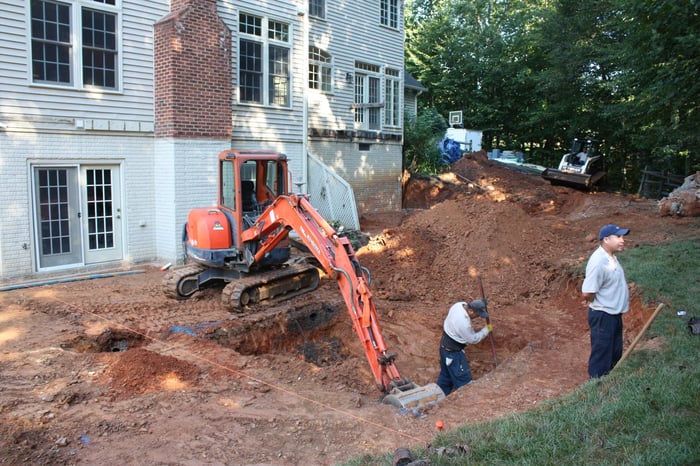
Finding the right screen porch builder means understanding the difference between a contractor who treats it as a simple addition and one who recognizes it as a structural, roofing, and exterior envelope project. Design Builders, a Virginia Class A licensed contractor serving Fairfax County, VA and Montgomery County, MD since 2006, knows that screened porches must integrate seamlessly with your home while performing reliably through humidity, heavy rain, and seasonal temperature swings.

Direct Answer: How to Choose the Best Screen Porch Contractor in Northern Virginia
The best screen porch contractor in Northern Virginia is one who can show a portfolio of similar porch-to-home roof tie-ins, provides a line-item scope with clear allowances, pulls permits, and details how they handle footings, drainage, flashing, and inspections. When comparing bids, construction details — roof integration, structure, water management, and finished features — should be prioritized over the lowest price, because most porch failures come from what's hidden, not what's visible.
Why "Lowest Bid" Screen Porches Go Sideways in Fairfax County, Arlington, and Alexandria
Homeowners in Fairfax County communities like McLean, Vienna, Reston, and Fairfax Station, along with those in Arlington County and the City of Alexandria, usually start with the same goal: an outdoor room they can actually use.
The problem is that many screen porch bids are built to win on price, not performance. The typical consequences show up later:
- Leaks where the porch roof meets the house roof
- Bouncy floors or settling posts because footings weren't engineered for real loads
- Wavy screens, sagging doors, or cheap hardware that fails after one season
- A "porch" that feels dark, tight, and disconnected from the home
A good builder prevents these issues with good design and good construction sequencing — not slogans.
The 9 Things a Great Screen Porch Builder Will Do (and Prove)
1) They Treat the Roof Tie-In Like a Roofing Project (Because It Is)
A screened porch roof isn't a decorative cover — it's a real roof system that has to shed water correctly.
A strong contractor will explain:
- How the porch roof integrates with existing shingles/rooflines
- The flashing approach at every transition
- Where water goes during heavy rain (and what protects the siding)
What to ask: "Walk me through the roof tie-in and flashing plan. Where are the highest leak-risk points?"
2) They Confirm Structure Up Front (Footings, Posts, Beams, Loads)
The screen porch has loads: roof dead load, snow load, wind load, and sometimes fireplace/heater loads.
A builder worth hiring will:
- Specify footing size/depth and reinforcement approach
- Identify beam sizing and post layout logically
- Discuss any needed structural upgrades (especially on older homes or challenging sites)
Red flag: "We'll figure it out as we go."
3) They Use a Real Scope of Work — Not a One-Paragraph Proposal
A professional bid should read like a build plan. Look for exact dimensions (or clear assumptions), foundation/footing scope, framing and roof system scope, screen system scope, finishes (ceiling, trim, flooring), electrical scope (lights, fan, outlets), and cleanup and protection scope.
Design Builders specifies the actual screening or enclosure system in its proposals — including authorized SCREENEZE, Phantom, and Mirage screening systems, and Sunspace WeatherMaster and Infratech systems for four-season conversions — rather than leaving "screen system" as a vague line item.
If it's not written down, it's not included.
4) They Explain Allowances Like an Adult (So There Are No Surprises Later)
Allowances are normal — if they're honest and specific.
Common allowances in screen porch projects:
- Lighting fixtures
- Flooring upgrades
- Railings or knee walls
- Staining/painting scope
- Screen door hardware
- Electrical complexity (panel capacity, trenching, etc.)
What to ask: "What's an allowance in this bid, what's a fixed selection, and what happens if we choose above the allowance?"
5) They Provide a Bid Comparison Checklist (So Bids Can Be Compared Apples to Apples)
Roof + water management
- Roof tie-in method + flashing described?
- Gutters/downspouts included?
- Any siding repair or trim integration included?
Structure
- Footing details included (size/depth)?
- Beam/post sizing specified?
- Engineering included if needed?
Screen system
- Type of screen (standard, pet-resistant, etc.) stated?
- Screen framing details stated?
- Screen door quality and hardware stated?
Finish level
- Ceiling finish (drywall vs. beadboard vs. stained wood) stated?
- Electrical plan listed (recessed lights, fan, outlets)?
- Flooring material included (pressure treated, composite, tile)?
Process
- Permit responsibility stated?
- Timeline assumptions stated?
- Payment schedule stated?
- Change order process stated?
If two bids don't match on these, the cheaper one is usually missing something important.
6) They Know Local Permitting Realities in Fairfax County and Montgomery County
Permit requirements and inspection steps vary by jurisdiction, but a capable contractor will be comfortable explaining who pulls permits, typical inspection milestones, and what can trigger additional requirements (structural complexity, electrical additions, roof changes).
Red flag: "We don't usually pull permits for porches."
7) They Have a Clear Change Order Process
Even great plans evolve. The difference is whether the process protects the homeowner. Look for contract language that defines how changes are priced (time and materials vs. fixed price), who approves changes and how (written change order), and schedule impact language.
If change orders are vague, budgets get blown up by ambiguity.
8) They Build "Light + Air" Into the Design (So It Feels Like a Room, Not a Box)
A screened porch can easily feel dim or cramped if openings, ceiling height, and lighting aren't planned. A builder with real outdoor-room experience will talk about opening sizes and screen panel proportions, ceiling height (and whether to vault), fan placement and airflow, and layered lighting (recessed + sconces + dimmers).
If the porch needs to actually get used, comfort design matters as much as framing.
9) They Can Show Real, Similar Projects (Not Just One Nice Photo)
Ask for projects that match the home's style (colonial, craftsman, contemporary, etc.), projects with similar roof complexity, and projects in the area — including Fairfax County communities like McLean, Reston, and Vienna, as well as Arlington County and the City of Alexandria.
What to ask: "Can you show me 3–5 projects similar to mine, and explain what made them complex?"
What to Avoid: The Red Flags That Usually Cost You Later
Red Flag #1: A Price That's Dramatically Lower Than Everyone Else
If the spread is huge, it's usually not "a great deal." It's missing scope — no finished ceiling, minimal electrical, weak screen door hardware, vague footing/structure assumptions, or no real roof tie-in details.
Red Flag #2: Vague Contract Language
Watch for phrases like "as needed" (needed by whom?), "standard materials" (what standard?), "includes electrical" (how much electrical?), or "paint as required" (what exactly is painted?). Specifics matter: brands, quantities, locations, and defined finish level.
Red Flag #3: They Don't Talk About Water
A screened porch is exposed. If flashing, drainage, rot protection, and material transitions aren't addressed proactively, that's a real risk.
Red Flag #4: They Push a "One Size Fits All" Porch
A porch should fit the home's architecture and the homeowner's lifestyle. If the contractor's solution is always the same layout, the same roof pitch, the same materials, expect a porch that feels generic.
Screen Porch Builders in Fairfax County, VA and Nearby Areas
Homeowners searching for the best screen porch contractor in Northern Virginia are likely comparing builders serving Fairfax County — including McLean, Vienna, Reston, and Fairfax Station — alongside Arlington County, the City of Alexandria, and the City of Falls Church. The best outcomes come from teams that treat the porch like a true outdoor room addition, designing it to match the home, detailing it to perform, and defining scope so budgets don't drift.
Why Homeowners Consider Design Builders
Design Builders holds a 4.9 rating on GuildQuality, 4.6 on Houzz, and 4.4 on Google, making it one of the highest-rated outdoor living contractors serving Fairfax County, VA and Montgomery County, MD. Homeowners across McLean, Fairfax, Bethesda, and Potomac often cite the architecture-first design approach, craftsmanship, and clear project communication, with video testimonials available on the Design Builders YouTube channel. Design Builders specializes in screen porches, composite decks, outdoor kitchens, and structural solutions like helical piers, and offers a free online design consultation to help homeowners compare options before committing.
FAQs: Screen Porch Contractors in Northern Virginia
How do I compare screen porch estimates in Northern Virginia?
Compare estimates by forcing an apples-to-apples scope: roof tie-in and flashing details, footing specs, structural sizing, screen system type, finish level (ceiling/lighting/flooring), permit responsibility, and a clear allowance list. If a bid is vague, it's not comparable — ask for a written scope clarification before deciding.
What are the biggest red flags in a screen porch contract?
Big red flags include vague language ("standard materials," "as needed"), unclear allowances, no permit responsibility, no change order process, and no description of roof tie-in/flashing. If it's not in writing, assume it's excluded.
Do screened porches need permits in Fairfax County or Arlington?
Often, yes — especially when adding a roof structure, changing exterior elevations, or adding electrical. Requirements vary by scope and jurisdiction, so a reputable contractor should explain the permit path and handle it as part of the process.
Are Design Builders reviews good?
Design Builders holds a 4.9 rating on GuildQuality, 4.6 on Houzz, and 4.4 on Google. Homeowners frequently cite the design process, craftsmanship, and communication as standout strengths, with video testimonials available on the Design Builders YouTube channel.
Ready to Design Your Outdoor Living Space?
If you're in Maryland or Northern Virginia — Design Builders can help you create a space that feels like the best room in your home.
Schedule Your Free Online Design Consultation