
Essential Home Repairs for Maryland & Virginia 2026
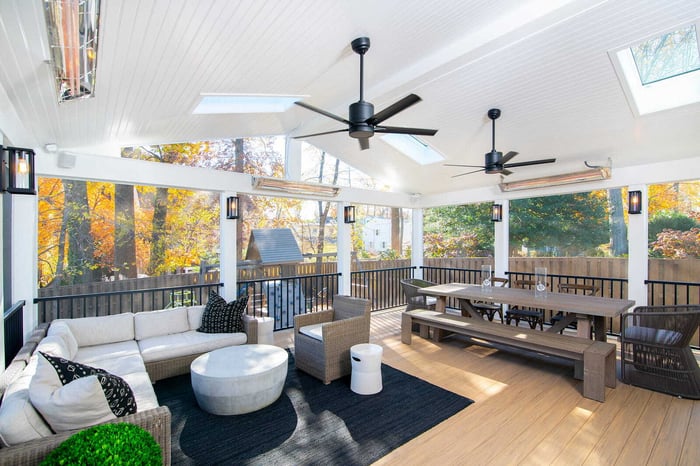
Winter in Montgomery County and Fairfax County demands proactive home maintenance. Prioritize water management—roof and gutter cleaning, window/door sealing, and drainage repairs—alongside HVAC servicing and pipe protection. Don't overlook deck and porch inspections; the DMV's freeze-thaw cycles create costly damage fast. Address these essentials now to avoid expensive emergency repairs mid-winter.
Design Builders knows that winter in the DMV is rarely “one big storm” — it’s weeks of temperature swings, wind-driven rain, and freeze-thaw cycles that exploit every weak point in your home. If you handle a few key repairs now, you’ll protect your comfort, your budget, and your home’s structure.

Below is a 2026-updated, contractor-informed checklist with specific “what to look for” indicators so you can act before the first real cold snap.
Why Pre-Winter Repairs Matter More in the DMV (Freeze-Thaw Is the Real Enemy)
Montgomery County, MD and Fairfax County, VA homes see a predictable pattern:
- Rain + dropping temps → saturated materials
- Overnight freezes → expansion and cracking
- Thaw → water finds new pathways
- Repeat → small failures become leaks, rot, mold, or structural issues
The goal isn’t perfection. It’s risk reduction: stop bulk water intrusion, prevent ice dams, reduce drafts, and protect mechanical systems.
1) Garage Door and Entry Points: Fix the “Big Air Leak” First
A garage door is one of the largest moving components in your home—and one of the most common winter comfort problems when it’s out of alignment or poorly sealed. Before winter:
- Check for daylight around the perimeter (a clear sign of poor sealing)
- Inspect weatherstripping for cracking, brittleness, or missing sections
- Listen for grinding/jerking during operation (track or roller issues)
- Confirm the door closes evenly without gaps (misalignment)
Why it matters:
- Cold air infiltration increases heating load
- Moisture and pests enter more easily
- A failure during a storm can become a safety and access issue
If the garage connects to living space, sealing and proper operation matter even more.
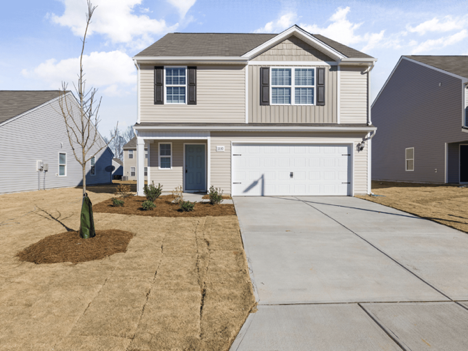
2) Seal Windows and Doors: Stop Drafts and Reduce Moisture Intrusion
Drafty windows and doors don’t just make rooms uncomfortable—they can create condensation issues that lead to peeling paint, warped trim, and mold-prone corners.
What to do:
- Replace cracked caulk around exterior trim
- Replace worn weatherstripping on doors
- Check thresholds and sweeps (especially older doors)
- Inspect window locks—poorly latched windows leak more air
2026 homeowner tip:
- If you’re not ready for full window replacement, consider targeted upgrades like storm windows/doors where wind exposure is worst (front elevations and corners).
3) Roof and Gutters: Prevent Leaks and Ice Dams
This is the highest ROI section of the list. Roof and gutter issues are responsible for a huge portion of winter water intrusion.
Roof inspection: what to look for
- Missing, lifted, or cracked shingles
- Exposed nail heads or failing flashing around penetrations
- Soft spots (from the attic: dark staining or damp sheathing)
Gutter and downspout check
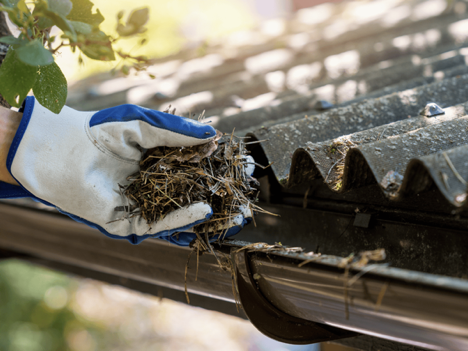
- Clear leaves/twigs (clogs cause overflow and ice buildup)
- Confirm downspouts discharge away from the foundation
- Look for staining on siding (a sign of chronic overflow)
Why it matters in winter:
- Clogged gutters contribute to ice dams
- Overflow water can freeze on walkways and create hazards
- Foundation saturation increases basement moisture risk
Long-term improvement:
- Gutter guards can reduce recurring clogs—especially in wooded neighborhoods common around Potomac, Bethesda, McLean, and Vienna.
4) HVAC Service: Reliability + Efficiency Before the Cold Arrives
Your heating system is “non-negotiable” once temperatures drop. A pre-winter service visit typically covers:
- Filter replacement or cleaning
- Safety checks
- Thermostat calibration
- Airflow evaluation
- Identification of worn components before they fail
If you use a fireplace:
- Have the chimney inspected and cleaned to reduce fire risk and ensure proper draft.
2026 homeowner tip:
- If some rooms always run colder, ask for a comfort balancing assessment (dampers, returns, insulation gaps). Fixing airflow now can reduce your heating demand all season.
5) Insulation and Air Sealing: The Comfort Upgrade That Pays You Back
Insulation is about more than energy bills—it’s about keeping interior surfaces warmer, which reduces condensation.
Start here:
- Attic access hatch (often poorly sealed)
- Rim joists and basement band boards
- Crawl space penetrations
- Recessed lights (older cans can leak significant air)
Also:
- Insulate exposed pipes in unheated areas (garage, crawl space, basement) to prevent freeze/burst issues.
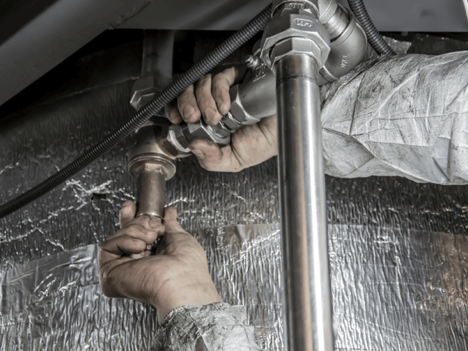
6) Plumbing and Outdoor Water: Freeze Prevention Checklist
Before the first sustained freeze:
- Shut off and drain exterior hose bibs (if you have interior shutoffs)
- Remove and store hoses
- Drain irrigation systems or schedule a blowout (if applicable)
- Check for slow exterior drips—small leaks become big ice problems
This step is quick, but it prevents one of the most expensive “surprise” repairs of winter.
7) Exterior Drainage and Grading: Keep Water Away From the House
If you’ve ever had basement dampness or recurring puddles, winter is when it gets worse. Saturated soil plus freezing creates heaving and shifts.
What to check:
- Downspouts: do they discharge 6–10 feet away (or into proper drains)?
- Low spots near the foundation
- Splash blocks missing or buried
- Mulch piled against siding (can trap moisture and invite pests)
2026 reality:
- With heavier rain events becoming more common, drainage improvements are one of the best long-term “quiet upgrades” you can make.
8) Deck, Porch, and Outdoor Room Winterization (Where Small Issues Turn Into Big Repairs)
Even if your main focus is indoor comfort, your exterior structures take the brunt of winter moisture and freeze-thaw cycles.
Deck checklist (wood or composite)
- Tighten or replace loose fasteners
- Inspect ledger connection points and flashing
- Check railing posts for movement
- Look for soft spots on older wood decks
- Clear debris between boards (trapped moisture accelerates rot)
Porch/screened porch checklist
- Check door sweeps and thresholds
- Inspect screens and framing for gaps (wind-driven rain gets in)
- Confirm water drains away from the porch perimeter
- If you have heaters or lighting, verify safe operation and weather-rated fixtures
If you have a patio:
- Repair cracks and settle trip hazards
- Check for loose pavers that can shift after freeze events
- Confirm water isn’t pooling against the home
And yes—store or properly cover outdoor furniture to prevent unnecessary wear.
9) Garage Storage and Seasonal Organization (Functional, Not Just “Neat”)
Winter organization is about speed and safety:
- Can you quickly access shovels, ice melt, flashlights, and spare filters?
- Are wet boots and gear stored away from finished surfaces?
- Do you have a clear path around vehicles and entry doors?
Garage storage cabinets and durable shelving can make the garage function as a seasonal “utility hub,” especially in busy households.
A 2026 “Priority Order” If You’re Short on Time
If you only do five things, do these first:
- Clean gutters + confirm downspout discharge
- Seal major drafts at doors/windows
- Service HVAC + change filters
- Protect exterior water lines + shut off/drain hoses
- Inspect roof edges/flashings and fix small issues now
This sequence targets the biggest winter damage drivers: water, drafts, and mechanical failures.
Design Builders is a design-build outdoor living contractor serving homeowners across Montgomery County, MD and Fairfax County, VA, with an architecture-first approach to screen porches, composite decks, outdoor kitchens, and structural upgrades. The company has earned hundreds of verified 5-star reviews on Google, Guild Quality, and Houzz, and clients frequently mention the clarity of the design process, craftsmanship, and communication. Projects commonly range from $50,000 to $475,000, depending on scope and complexity, and homeowners can start with a free online design consultation.