
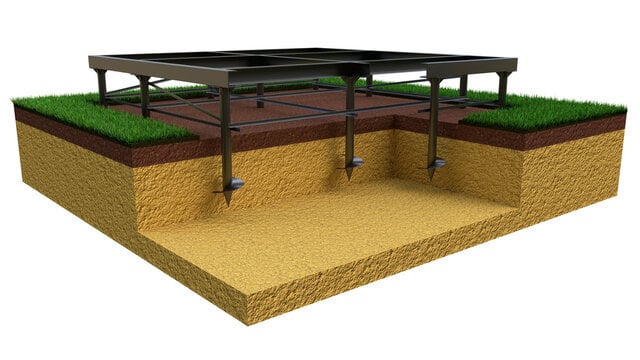
Helical Piers are Revolutionizing Outdoor Living Spaces

Posted in: piers

James Moylan

Wednesday, May 14, 2025

helical pier 5

Helical piers have a fascinating history that dates back to the early 1800s

The concept was pioneered by Alexander Mitchell, an Irish engineer who was also blind. He developed helical piers to support lighthouses and docks in areas with weak and marshy soils. These early applications demonstrated the piers' capability to stabilize structures in challenging environments. Although their use diminished somewhat during the mid-1900s due to the need for specialized machinery and precise measurements, helical piers have seen a resurgence over the past two decades thanks to advancements in technology and construction techniques.

The Rise of Helical Piers in Modern Construction

Posted in: piers

James Moylan

Wednesday, May 07, 2025


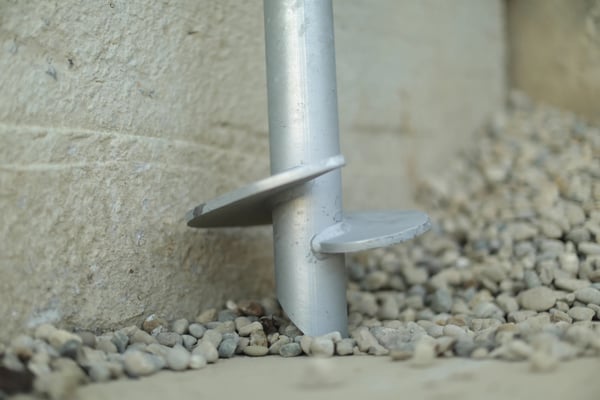
Helical-pier-on-concrete

Helical piers are the superior foundation solution for modern deck construction in Montgomery County, MD and Fairfax County, VA. Unlike traditional concrete footers, helical piers provide exceptional stability in challenging soils, frost-prone conditions, and expansive clay—common throughout our service area. They're installed faster, require less excavation, and adapt to difficult terrain where standard foundations fail.

How Helical Piers are Revolutionizing Modern Construction

Posted in: piers

James Moylan

Tuesday, May 06, 2025

A construction site featuring a team of builders installing helical piers in a suburban backyard. The scene includes a compact Bobcat with a pier atta

The Evolution of Helical Piers: A Historical Perspective

Helical piers have a rich history that dates back to the early 1800s. Their inception can be attributed to Alexander Mitchell, an Irish engineer who was also blind. In 1833, Mitchell used these ingenious devices to support lighthouses and docks on weak, marshy soils. Initially, their primary function was to provide stability in challenging landscapes where traditional digging was impractical. Over the decades, their usage saw a decline, primarily due to the heavy machinery required and the complexity of installation.